


EU puts anti-Russia sanctions on hold to assess how the truce is being observed


Late yesterday the EU delayed a new package of anti-Russia sanctions and the publishing of a blacklist of people and companies to be hit, endeavoring to assess the implementation of the truce.
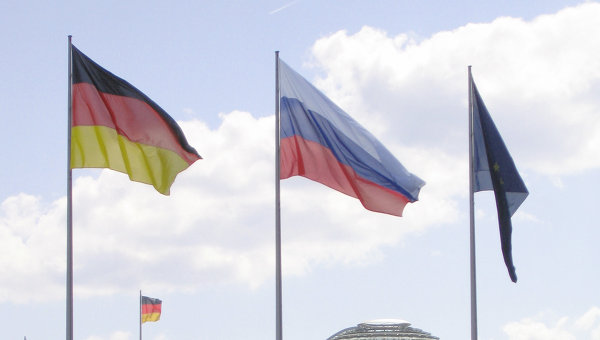
The EU sharply braked the impetus for new anti-Russian sanctions, for a few days at least, to assess how the truce is being implemented, and thus not risk tit-for-tat response with sanctions by Russia. Late yesterday the second round of EU economic penalties was delayed, and the publication of the intended penalties in the Official Journal was delayed.
Originally the sanctions were due to be published yesterday. They comprise the barring of certain companies from raising capital in the EU, namely energy companies and those in state-owned defense.
As EU President Herman Van Rompuy said yesterday, there are still a few days until the publication of penalties in the Official Journal, which will enforce them. The period will serve to assess how the truce agreement is being implemented and to review the sanctions accordingly.
The ceasefire was implemented as the EU was discussing the stepping up of more penalties in cooperation with the US, to make Russian President Putin stop supporting eastern Ukraine rebels.
Yesterday, Ukraine informed pro-Russian rebels targeted the city of Mariupol, after Ukrainian President Poroshenko announced he was planning a visit there. Militants also fired on road blocks near the city. Russian Foreign Minister Sergei Lavrov said to reporters in Moscow the truce is being observed.
The initial package of sanctions imposed by the EU late in July barred five Russian state-owned banks from selling their shares or bonds in the EU area; the export of equipment for oil industry modernization was curbed; new contracts for selling weapons to Russia were prohibited; finally, a ban was imposed on the export of machinery and electronics, as well as other civilian products fordual (including military) use to military users.
Russia retaliated by banning imports from the EU of some farm goods, which made the bloc scramble as its producers lost markets, and thus about 5 billion euros (or $6.5 billion) of annual trade were suspended. After the next round of sanctions were prepared September 6, Russia’s Foreign Ministry made it clear it would proceed with the tit-for-tat course.
The decisions on EU sanctions require support by all EU governments. Several European leaders already voiced concerns over the implications of Russian side enacted penalties on the EU economy, among them Finnish PM Stubb and his Hungarian counterpart Viktor Orban.
Three Russian energy companies would be hurt by the delayed EU package:OAO Gazprom Neft, OAO Rosneft, OAO Transneft, together with nine defense companies.Furthermore, the package would shrink the 90-day term for debt maturity to 30 days, regarding debt whose sale by the targeted Russian companies in the EU is banned. EU banks would be banned from granting syndicated loans to companies targeted by the sanctions. The restrictions on dual-use goods would be expanded, and technologies for the oil industries for Russia would be curbed.
Yesterday, aware of the possible ramifications of the new package of sanctions approved four days earlier, EU diplomats met in Brussels to discuss it.
Another measure put on hold was a parallel plan for expanding a blacklist comprising both people and companies subject to asset freezes in the EU, in connection with the support of separatist groups in eastern Ukraine.
The latest additions to the list comprise the new Donbass leadership, the Crimean government, and Russian oligarch and decision-makers, as Van Rompuy announced after the new measures had been approved; yesterday they were sent to the national governments for final approval.The expanded blacklist was also due to appear in the Official Journal yesterday. The economic sanctions would take effect on the next day after publication, and the blacklist bans would come into force on the day of publication.


