


PM David Cameron begs Scots not to break up the UK


David Cameron attended meetings in Scotland in an attempt to persuade Scots, increasingly supporting the vote for independence before the September 18 referendum, not to allow the UK to disintegrate.
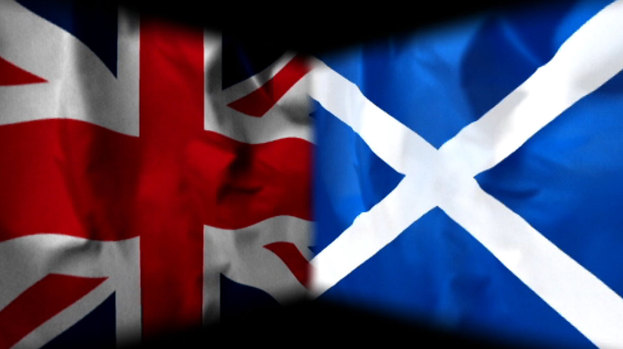
On Wednesday UK PM David Cameron visited Scotland ,attempting to overcome the surge in support of voting for the country’s independence on September 18, asked the citizens of Scotland not to let the UK family be ripped into parts.
The British political elite is alarmed about the outcome of the September 18 referendum, which may put an end to the 307-year-old union. That was the reason why Cameron and Ed Miliband, opposition leader, broke up the weekly parliamentary session to discuss events in Scotland.
So far Cameron has not participated much in the debate, realizing his privileged background and the center-right political line are not advantages to win over Scottish people, who returned only one Conservative lawmaker in 2010 out of 59. With such unpopularity of Conservatives in Scotland, the UK PM’s trip is a risky enterprise. If the referendum pronounces Scotland’s independence, Cameron’s guilt will be a thorny issue, as Britain is preparing for a national election in May 2015.
Cameron traveled to Scotland with Ed Miliband and Nick Clegg, Liberal Democrat leader, all of them English. They attended meetings in major cities, facing independence supporters. According to nationalist leader Alex Salmond, the trip was dictated by panic and would only boost the independence enthusiasm further.
The GDP/USD hit a fresh 10-month low, as well as a three-month low against the euro, as traders learned unverified data from a poll by an independent blogger yielding a strong majority of “Yes” respondents. Several opinion poll surveys already have indicated an augmentation in the past week in support for independence, thus baffling investors and presenting the most daunting case before the United Kingdom, since Irish independence which occurred roughly a century ago.
After the vote, Britain and Scotland would have to hold lengthy 18 months of talks on matters of dividing North Sea oil, the pound, EU membership, and Britain’s main base for nuclear submarines at Faslane. Added to the list are uncertainties such as the 2015 election, the UK’s structure and all UK state symbols, the Union Jack flag, even the monarchy role.
While in the United Kingdom the future hangs on the outcome of the referendum, and Labour voters are moving to the independence camp, Scotland is abuzz with excitement in the run-up to the referendum. Bookshops are awash with referendum guides and pamphlets for and against independence. In the Scotsman newspaper on Wednesday, numerous letters were published, with equal shares of yes and no, not only by Scots, but by English people residing in Scotland. Nationalists are urging citizens and insisting independence would result in greater wealth and fairness.
Unionists state the breakup of the UK in the event of independence would entail uncertainty in all respects: financial, economic and political. They also warn that Scotland would abandon the pound as its currency.
Cameron, the Labour Party and the unionist campaign have come under heavy criticism for allowing the surge of an overly negative tone, with the UK torn by divisions. John Major, a former PM of Great Britain, also hinted the list of mistakes could be continued further, and blamed Tony Blair’s Labour government for granting the Scottish parliament powers, which was an incentive of the urge for separation.
The UK nations have been under the same monarch since 1603, when Scotland’s James VI started reigning as James I of England. In 1707 the formal union resulted in a united sovereign state.


