


Scotland’s independence referendum says no to secession


Scotland’s independence referendum showed a predominance of unionists, but Scots are expecting the pledge by English rulers of more powers given to their country to be fulfilled very soon.
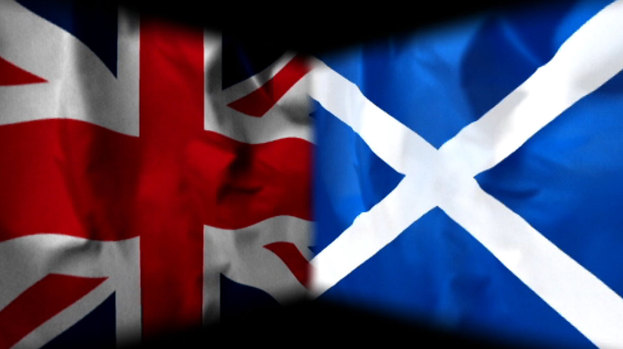
Scotland’s independence referendum, regarded as threatening the entirety of the UK, has yielded a “no” vote predominance. The union has had a history of 307 years, and the outcome is relieving news for British people and the PM David Cameron in particular, his job being on the line.
The global community was also on the edge, as the prospect of Scotland’s separation was horrifying. The rejection vote prevailed with 55 percent against the 45 percent “yes” vote of separatists. In Glasgow secessionists prevailed, whereas in Edinburgh nationalists’ leader Salmond conceded a defeat.
Overall, political leaders are unanimous that the referendum will yield a change for the better in all respects for Britain. In London, David Cameron pointed the matter of Scotland’s independence has been arranged for a generation. Queen Elizabeth II is currently in Balmoral, her Scottish residence, and is expected to comment later on today.
The sterling firmed against the dollar and the euro and British shares soared. The Royal Bank of Scotland, previously considering moving to England, said it no longer had plans to do so, in view of the outcome.
It is a general relief that Scotland’s secession from the UK has been avoided, as Britain is the sixth largest economy worldwide and a permanent member of the UN Security Council. UK politicians state the vote will contribute for a reshaping of the union. In Edinburgh, Salmond reminded them their promise of more comprehensive powers for Scotland should be kept.
As opinion polls showed a rise in support for the secession in the run up to the September 18 referendum, the UK pledged to grant further powers to Scotland. Some English lawmakers’ anger was aroused by that, and Cameron, trying to appease it, vowed that a new constitutional settlement would be made granting more powers not only to Scotland, but also to the other countries within the UK, in the areas of tax, spending and welfare. Cameron has also promised to hold a referendum on EU membership by end-2017, if he wins in the election next year.
Scotland’s nationalists are of the opinion that Scots should rule the country instead of London, to make it fairer and more affluent. With the vote in favor of Scotland’s not separating from the UK, 59-year-old Salmond cannot make his dream of Scotland’s independence come true, although he has been working in favor of that all his life. Unionists, on the other hand, had warned before the referendum that independence would open the door for financial, political and economic instability, and the UK would lose its global clout. They also stated that the pound would not remain the currency of the country if separation was achieved.
US President Obama and the EU had clearly shown they would prefer Scotland not to separate from the UK.


